Home/IoT Custom/H Series Temperature & Pressure Transmitter
Temperature and pressure. Configured for the process. Two process variables. One operating record.
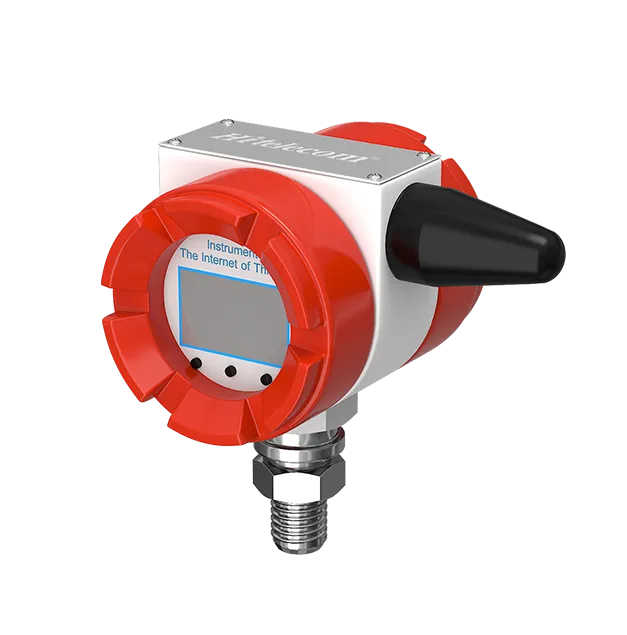
H Series Temperature & Pressure Transmitter
Bring temperature and pressure readings from process equipment into one monitoring workflow. The H Series is configured around the medium, operating range, measurement location and available data connection. View uploaded readings online in Hitelecom Cloud and receive notifications when measurements exceed configured thresholds, or integrate the agreed records with a compatible customer platform. Select the pressure span and temperature probe independently; hazardous-area installations require documentation covering the exact supplied assembly.
2 variablesTemperature and pressureProbe and process interfaces selected for the installation
±0.5% FSPublished pressure accuracyConfirm span, reference conditions and total error requirements
Selected radioConfigured communication version4G LTE, NB-IoT or LoRa; receiving path agreed per version
Engineering focus
Define the measurement. Build a useful operating record.
Useful process data depends on more than a headline range. Match the sensing interfaces to the medium, keep the electronics within their own environmental limits, and specify how readings reach the team responsible for response.
Two variables, defined sensing points
Specify where pressure is taken and where the temperature probe senses. The arrangement can suit a process line or equipment assembly; the two readings are not assumed to represent an identical physical point or response time.
Pressure span matched to the duty
Published full-scale choices are 1, 1.6, 3.5, 7, 10 and 20 MPa at a reference accuracy of ±0.5% FS. Select against normal duty, transients and required operating-point uncertainty; pressure reference and overload limits form part of the configuration.
Temperature probe selected for the medium
The published selection envelope is -200°C to +800°C across probe configurations. The listed ±0.5°C reference and optional ±0.1°C customization require a defined probe, applicable temperature interval and test conditions; they are not full-envelope guarantees.
Process interfaces reviewed together
Define media, wetted materials, connection type, insertion depth, access and any thermowell or isolation requirement. Hygienic interfaces, chemical compatibility and high-temperature arrangements are application-specific selections, not assumed standard features.
Online data and threshold notifications
View uploaded monitoring data online in Hitelecom Cloud. Set the agreed thresholds and notification recipients for each variable, and test the response workflow during commissioning. Sampling, transmission and notification timing are separate project settings.
A selected wireless data path
Choose the available 4G LTE, NB-IoT or LoRa version for the site. Cellular compatibility depends on the modem and operator; LoRa requires compatible receiving equipment. MQTT integration applies through the supported, agreed onward data path.
Enclosure and installation conditions
The published enclosure reference is IP68. Confirm the supplied seals, probe entries, connector assembly and immersion conditions. The published -40°C to +125°C operating/storage reference must be checked for the actual electronics and complete assembly, separately from process temperature.
Configuration, updates and traceability
NFC setup and OTA firmware updates are listed options whose availability depends on the supplied configuration. Record the hardware and firmware revision, measurement units, parameter settings and update procedure with the handover documentation.
Project planning
Start at the process connection.
Finish at the receiving platform.
Prepare a measurement-point schedule for the intended operating duty. It links the physical installation, applicable performance conditions and data workflow before a configuration is selected.
01↗
Define the operating envelope
List normal, minimum, maximum and transient process conditions for each point. Distinguish gauge or absolute pressure requirements, measurement accuracy at the working point, and the temperature probe location. Select sampling and reporting intervals around the operating changes that need to be observed.
Project inputs
Medium · Pressure reference · Operating envelope · Accuracy points · Sampling and reporting
02↗
Design the installed connection
Provide a process connection drawing, wetted-material requirements, probe construction and mounting access. Review heat transfer to the electronics, vibration, pressure pulsation, cleaning exposure and local ingress conditions. Where applicable, match the exact certificate and marking to the target market and area classification.
Identify each asset and measurement channel at the receiving platform. Define engineering units, timestamps, missing-data treatment, threshold settings and notification recipients. Commission a representative reading and an agreed threshold test through the actual radio and receiving path.
Project inputs
Point identity · Units and timestamps · Compatible receiving path · Thresholds · Acceptance evidence
Applications
From process lines to utility plants.
Measurements with a defined purpose.
Explore 12 application groups and 36 specific monitoring duties. These are engineering selection contexts, not claims of completed customer installations. Each duty identifies the required inputs, proposed monitoring output and a practical commissioning check. Direct product contact, hot media and hazardous locations require an appropriate, documented assembly.
12 application areas /36 project tasks
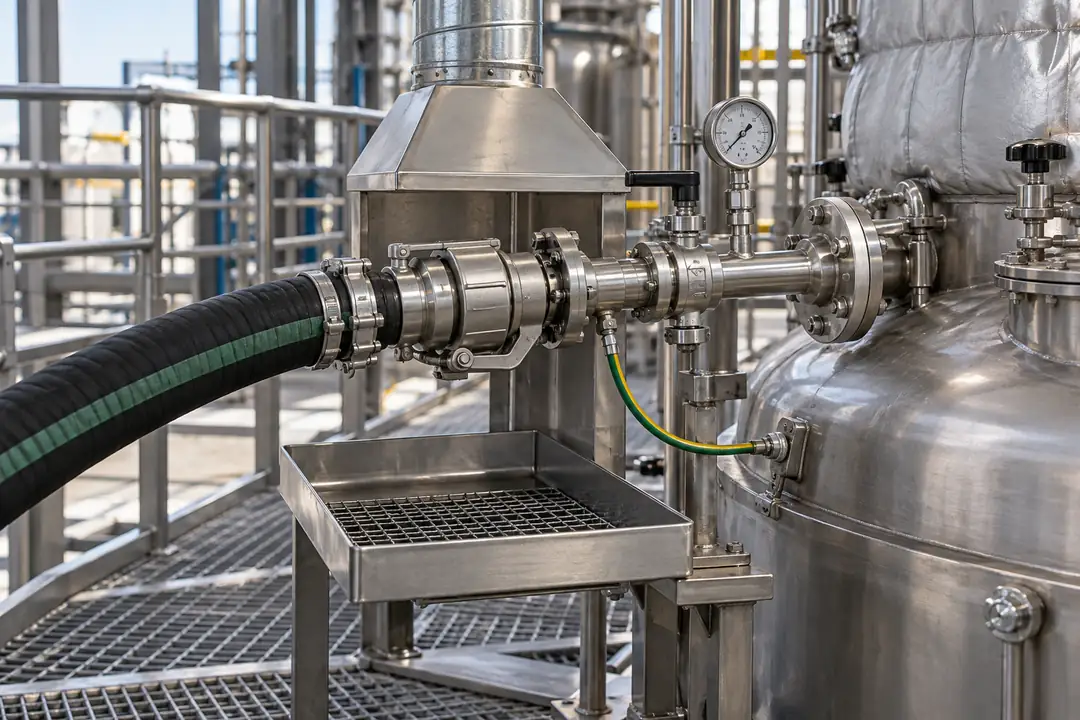
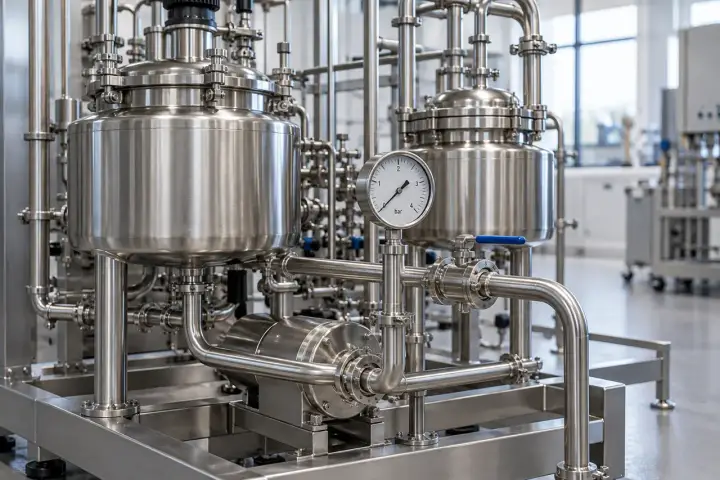
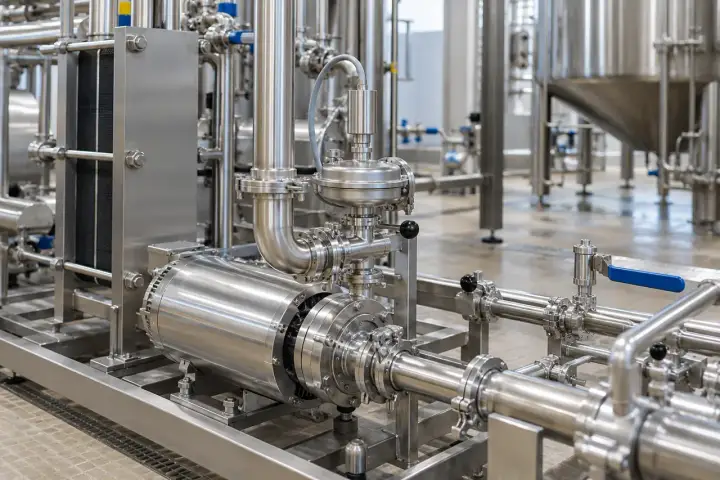
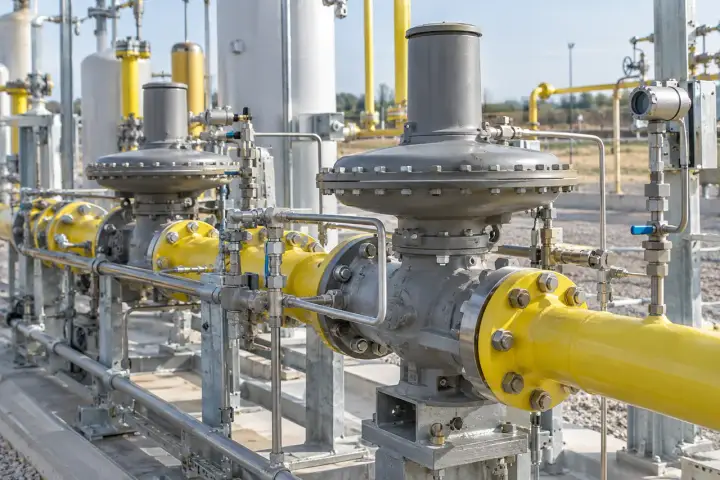
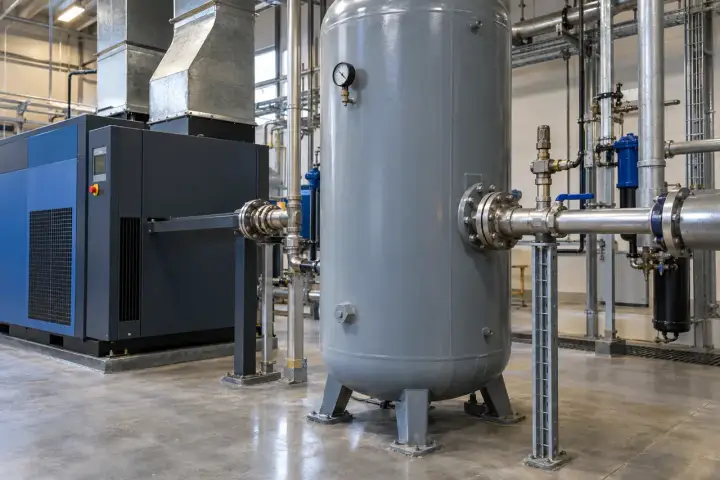
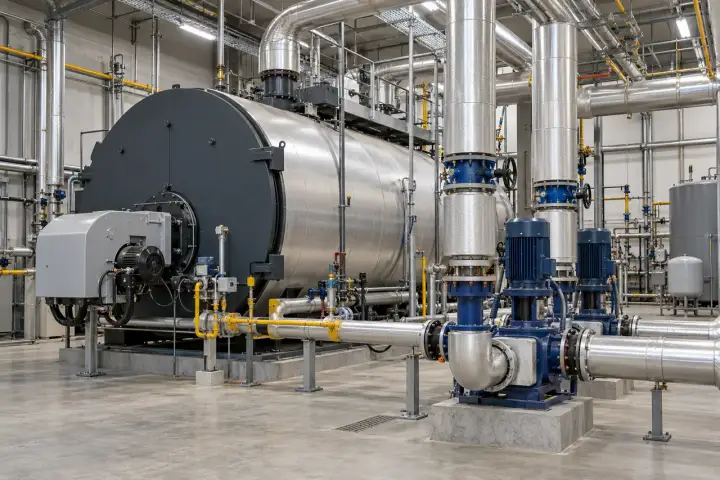
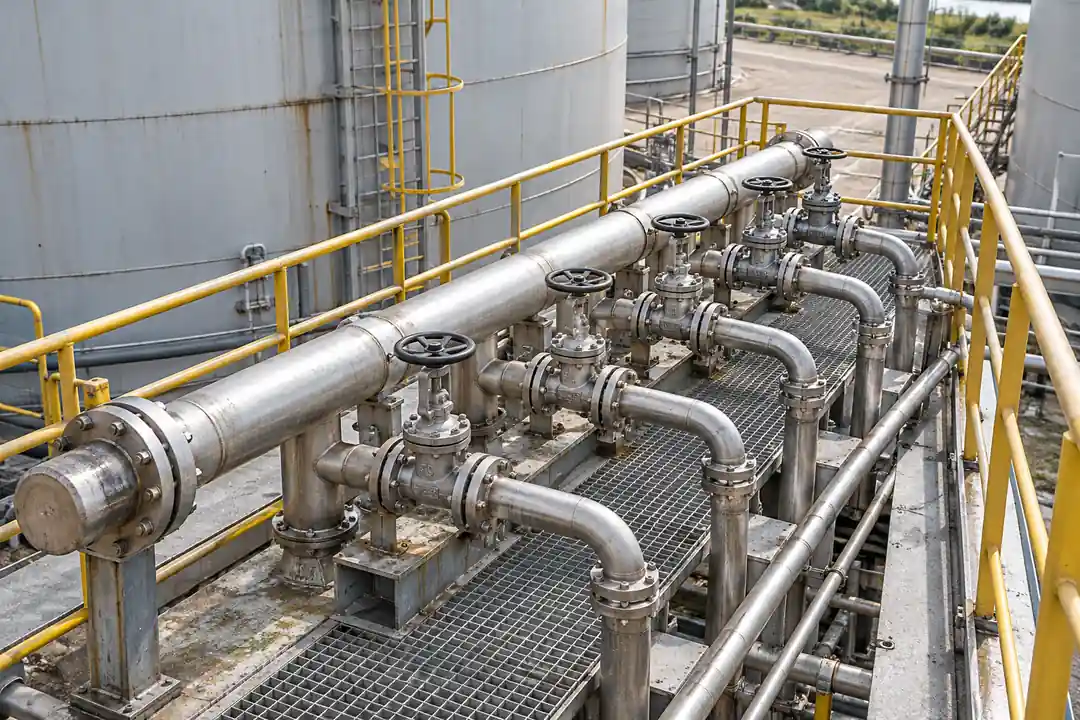
Illustrative environments, not evidence of customer installations. Project suitability is assessed against the agreed requirements.
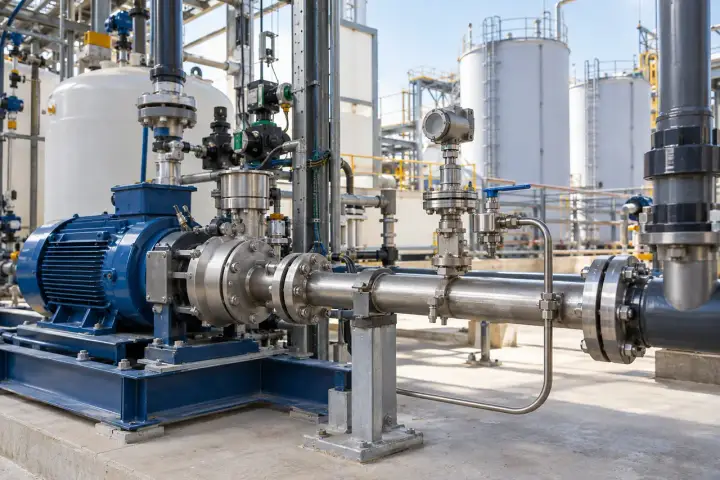
01Petrochemical process lines3 +
Representative application environment. Project scope and suitability are defined for the installation.
Give operators a paired operating record at selected process and circulation points.
Process feed headers
+
Representative application environment. Project scope and suitability are defined for the installation.
Record feed-line pressure and temperature alongside operating periods to review changes at a defined process inlet.
Required inputs
Feed composition, normal duty, surge pressure and connection drawing.
Scope & outputs
Identified pressure/temperature points with agreed trend and threshold settings.
Acceptance checks
Compare stable readings with references and verify channel identity online.
The table separates published product-family references from order-specific requirements. A family selection envelope does not establish every probe, temperature accuracy or installation approval.
Select the range.
Specify the complete assembly.
Published model family
H200 / H300 / H500; exact model and communication variant confirmed with the order
Measured variables
Temperature and pressure
Pressure full-scale options
1 / 1.6 / 3.5 / 7 / 10 / 20 MPa; pressure reference and usable span to be confirmed
Pressure accuracy reference
±0.5% FS; confirm reference conditions and total error requirements for the selected span
Temperature selection envelope
-200°C to +800°C across probe configurations; not a universal single-probe range
Temperature accuracy reference
Published ±0.5°C, with ±0.1°C customization listed; confirm probe, applicable range and test conditions
Communication options
Selected 4G LTE, NB-IoT or LoRa version; hardware, firmware and receiving path confirmed per project
Platform integration
MQTT for supported configurations and agreed receiving path; Hitelecom Cloud or compatible customer platform
Published LTE band reference
TDD B34/B38/B39/B40/B41; FDD B1/B3/B5/B8, only where supported by the selected cellular hardware and operator
Housing protection
Published IP68 reference; immersion conditions, probe connections and assembled sealing to be confirmed
Published operating / storage reference
-40°C to +125°C; confirm electronics, probe, seals and complete assembly limits independently of process temperature
Hazardous-area installation
Exact certificate, marking, market coverage and installation conditions must be confirmed before selection
Process and mounting interfaces
Threads, wetted materials, probe construction and supplied mounting arrangement agreed for the project
Integration & handover
Commission the measurement.
Verify the operating workflow.
Acceptance should cover the instrument at the sensing point and the records received by the operating team. The thresholds and notifications support monitoring; safety interlocks, shutdown functions and regulatory process validation require their own qualified systems.
01
Document the supplied instrument
Record the selected pressure span/reference, probe construction and range, applicable accuracy conditions, wetted materials, process connections, enclosure assembly and hardware/firmware revision. Include the applicable certificate and installation instructions where required.
02
Compare the measurement and received record
Use the agreed reference method at representative operating points. Verify that the platform displays the correct asset, channel, units and timestamps. Test sampling/reporting behavior and treatment of unavailable or stale data through the supplied communication path.
03
Test the notification and maintenance workflow
Witness an agreed threshold event and confirm the intended recipients receive the notification. Hand over settings, access responsibilities, maintenance instructions and any agreed calibration evidence. Keep monitoring alerts distinct from the plant safety and shutdown systems.
FAQ
Answers for your project.
Resolve the technical scope, interfaces and acceptance conditions before committing to a deployment.
Which operating duties are suitable for combined temperature and pressure monitoring?+
Start with a defined process line, equipment skid or utility circuit where both variables support an operating decision. The application examples identify possible duties; the medium, pressure envelope, temperature probe, interfaces and installation documentation determine suitability.
Which pressure spans and pressure reference are available?+
The published full-scale choices are 1, 1.6, 3.5, 7, 10 and 20 MPa. Gauge/absolute reference, usable span, overload conditions and total error requirements must be specified for the selected configuration; they are not implied by the full-scale number alone.
What does ±0.5% FS mean when selecting a pressure span?+
FS refers to the selected full scale. A given percentage of a larger span represents a larger pressure interval, which matters when normal operation occupies only a small part of that span. Agree reference conditions and the required uncertainty at the actual operating points.
Does one temperature probe cover -200°C to +800°C?+
No. The published number is a selection envelope across probe configurations. Select probe construction, usable range, insertion and response for the process. Process temperature and the allowable environment of the electronics are separate limits.
Can the optional ±0.1°C accuracy be used across the whole temperature envelope?+
That full-envelope performance is not established. The published references are ±0.5°C and optional ±0.1°C customization. The selected probe, applicable interval, calibration points and test conditions need to be stated in the quotation and acceptance criteria.
Are pressure and temperature measured at exactly the same point?+
Not necessarily. Define the pressure tapping and temperature sensing positions on the installation drawing. Probe insertion, pipe geometry and response time affect how the two readings should be interpreted and compared.
Can the instrument be installed in my hazardous area?+
Obtain the certificate, marking and installation conditions for the exact proposed assembly. Match them to the target market, area classification, gas or dust group, temperature class and ambient restrictions before selection. The product name does not establish universal hazardous-area approval.
Can it be used in food, pharmaceutical or cleaning-in-place processes?+
A representative industry application does not establish hygienic approval. Direct product contact and CIP/SIP exposure require a suitable, documented construction, materials, connection, cleanability and temperature/pressure limits. Confirm these requirements before selecting the assembly.
How do online viewing and threshold notifications work?+
Uploaded monitoring records can be viewed online in Hitelecom Cloud, with notifications when measurements exceed configured thresholds. Agree sampling, transmission, threshold logic and recipients separately, then test the end-to-end workflow. No fixed notification delay is implied.
Does every version connect directly to MQTT?+
No such assumption should be made. Select the available 4G LTE, NB-IoT or LoRa version and its compatible receiving path. MQTT integration is provided through the supported, agreed onward connection to Hitelecom Cloud or a compatible customer platform.
Do two measurements provide flow, level, leak diagnosis or a safety shutdown?+
Those functions are not established by the temperature/pressure readings alone. Any calculation, diagnostic method or protective action requires separately specified equipment, validated logic and appropriate qualification. This product page describes monitoring and configurable notifications.
What should be supplied for quotation and commissioning?+
Provide process media, normal/extreme/transient conditions, pressure reference, required accuracy points, connection drawings, probe requirements, installation exposure, approval requirements, radio coverage, receiving platform, quantity and acceptance method. An agreed point schedule makes the quotation and handover traceable.
Discuss your project
Define your requirements. Build the right scope.
Send the measurement-point schedule, process conditions and connection drawing. Include the required data destination and response workflow so sensing, installation and communication can be reviewed together.